

Award · Van Alen Institute × Pan-African Biennale · 2026
Re:Paris Prize
Van Alen Institute's Paris Prize in Architecture ran from 1904 to 1997. In 2026 it returns as the Re:Paris Prize, focused on reparative and regenerative urbanism, with the Pan-African Biennale as its first partner. The Grand Tour, inverted.
Open call · Re:Paris Prize · with Van Alen Institute
US Open Call
We are now seeking one US-based winner through an open call. Applications are due Sunday 22 November.
Participants of the Pan-African Biennale 2026 based in the USA are eligible to apply.
All three winners will collaborate, sharing learnings from the field with each other and co-designing ways to present their work at Van Alen Institute in autumn 2027 and at the second Pan-African Biennale in 2028.
Proposals should
- Require international travel to connect with experts and opportunities for impactful field research
- Move an important new concept or existing project to the next phase of development
- Meaningfully engage communities affected by historical and ongoing harm, in a spirit of cross-cultural collaboration and exchange
- Help ideas scale up to achieve greater impact or reach a wider audience
Proposals should also address one or more of five themes in reparative and regenerative urbanism
- Land use, planning and regenerative development. How can new models of land use, planning and development repair blighted neighbourhoods and promote broad-based prosperity?
- Materials, making and resilient design. How the physical building blocks of cities can support climate action, circular economies and waste reduction.
- Data, algorithms and the public realm. How digital infrastructures reshape public spaces, civic life and spatial perception.
- Interdependent ecosystems. How urban design supports environmental repair, ecological stewardship and resilience.
- Cultural hybridity. How can we recentre local, indigenous and underrepresented knowledge?
About the prize
The original Paris Prize sent American architects to study in Paris. The Re:Paris Prize turns that journey around. Its travel fellowship funds emerging designers to carry out field research in Africa and its diaspora, places long held at the edge of architectural discourse and now recognised as centres of innovation in sustainability, resilience and cultural preservation.
Each winner receives a US$35,000 travel fellowship to carry out the research, take their work to its next stage of development, and work with communities affected by displacement and exclusion.
The two Africa-based winners were chosen from the designers exhibiting at the 2026 Biennale and announced in Nairobi on 10 September 2026. A third, US-based winner is selected through an open call. All three present their research at Van Alen Institute in autumn 2027 and at the second Pan-African Biennale in 2028.
Omar Degan, Founder and Executive Director of the Pan-African Biennale, helped shape the prize themes and supports the mentorship of the winners.
The winners

Arafa C. Hamadi
Who Designs Knowledge?
A multidisciplinary artist and spatial designer trained in architecture, Hamadi has worked on the design of two major exhibitions at Zeitz MOCAA. The research asks how exhibition design can move beyond Western museum conventions and build narrative spaces rooted in African aesthetics and material cultures, through institutional visits, work with local makers and prototypes of new ways to exhibit.
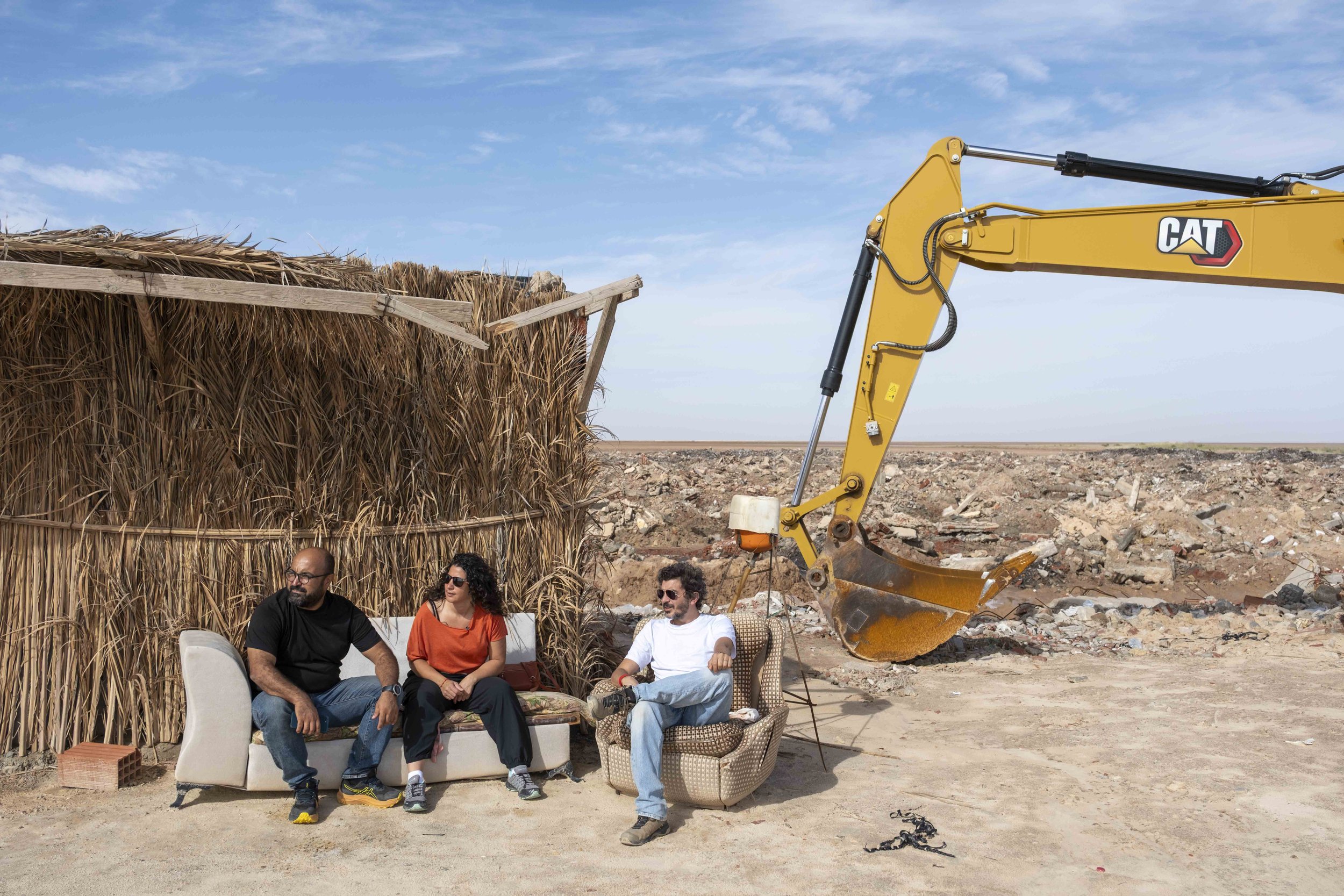
Bled el Abar Collective
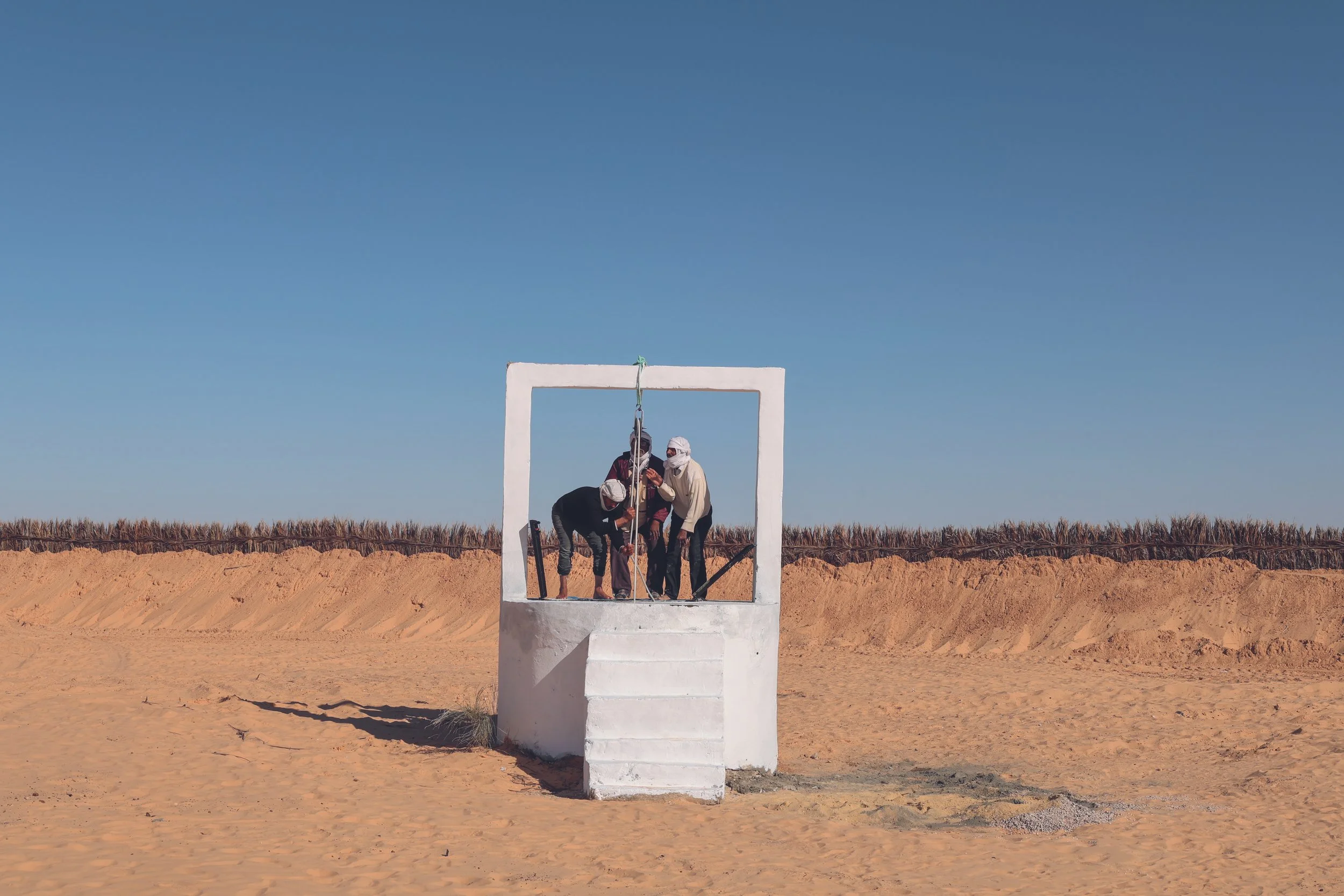
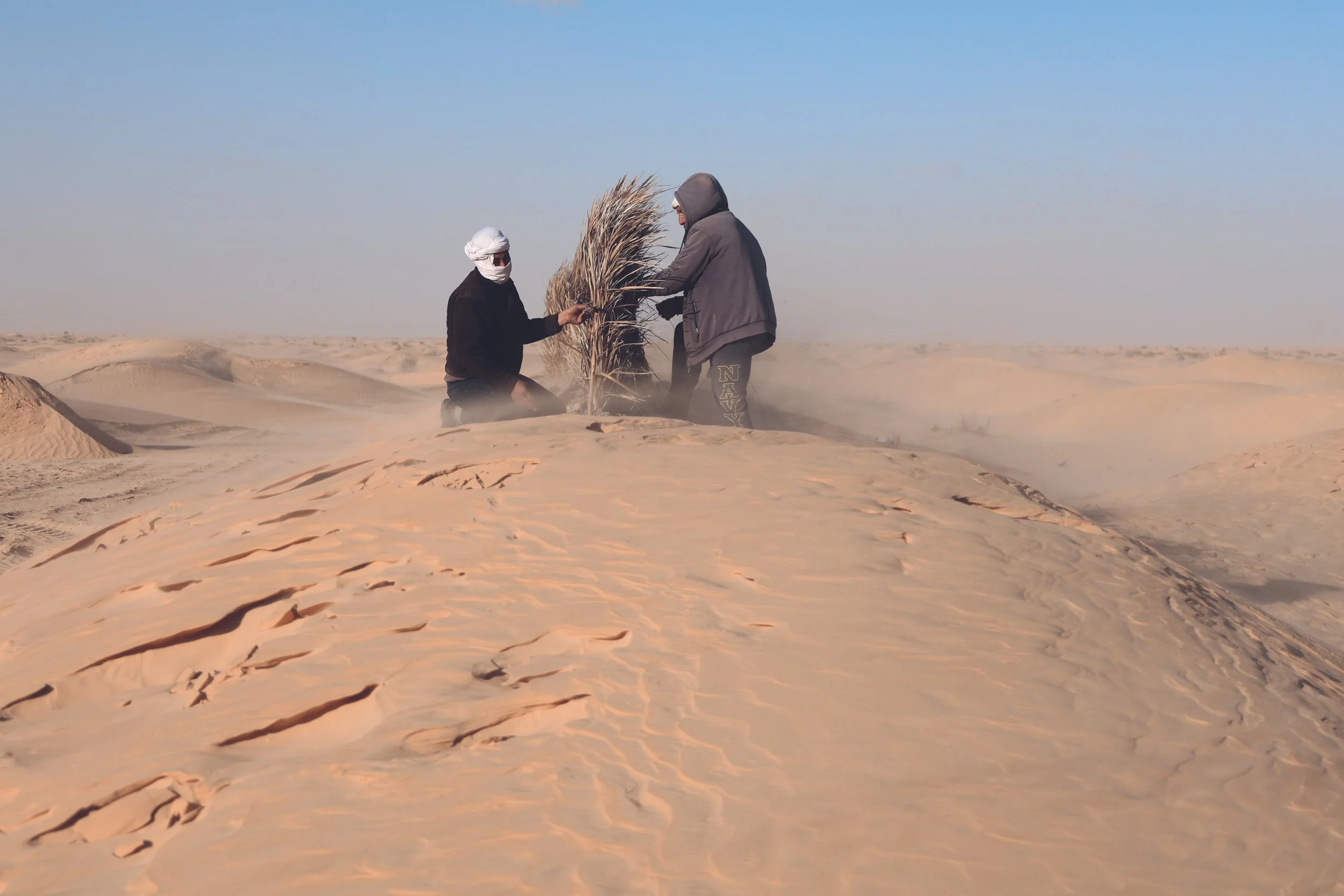
Ifriqya: A Territory of Hospitality
A Tunisia-based non-profit founded in 2025 by architect and landscape architect Vanessa Lacaille, architect and journalist Mounir Ayoub, and architect and farmer Hamed Kriouane. The project maps places of hospitality across the North African Sahara, from oases to tents and wells, and works with the people who live there to record their stories and present-day realities.
Their work
The practices behind the two winning proposals.


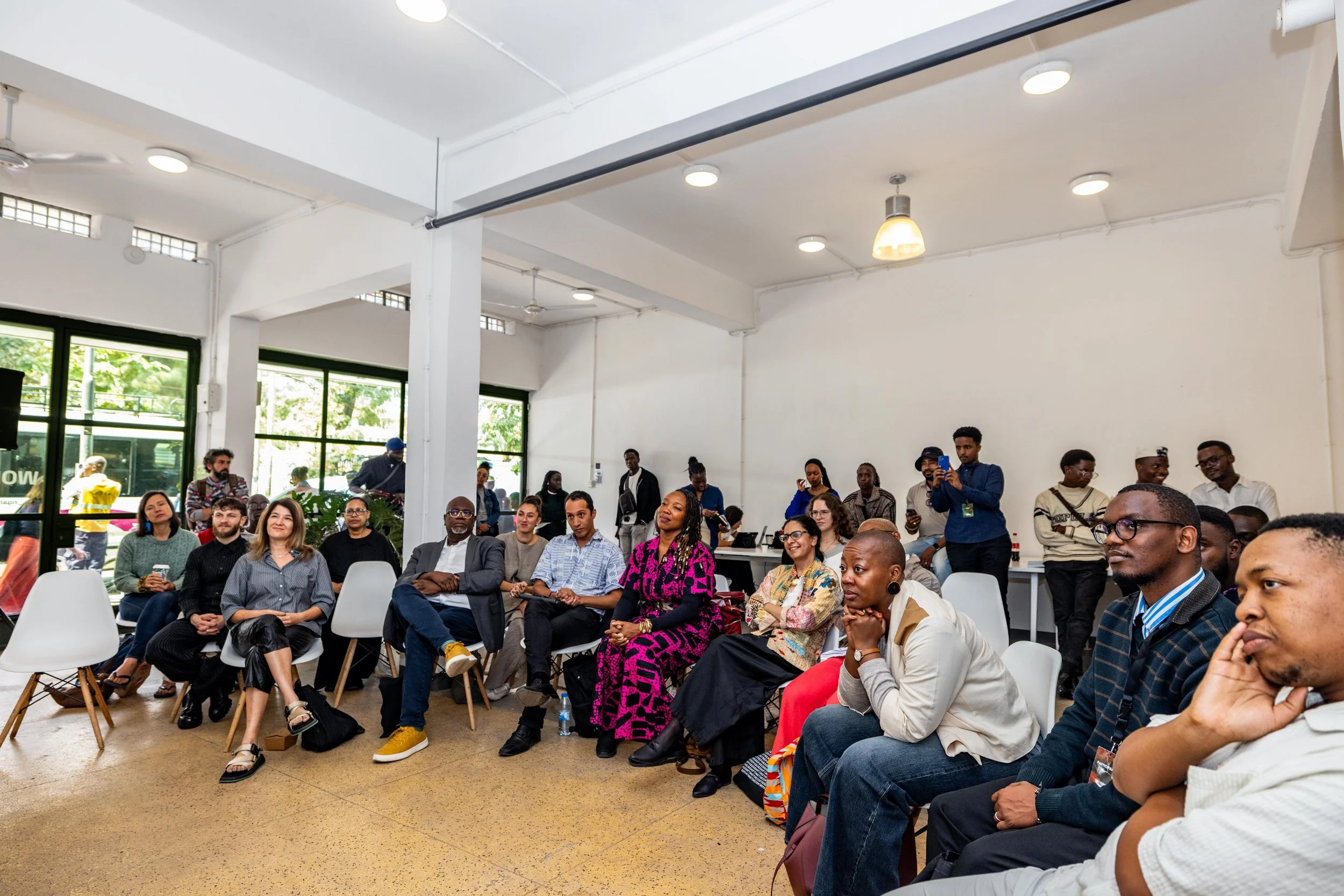
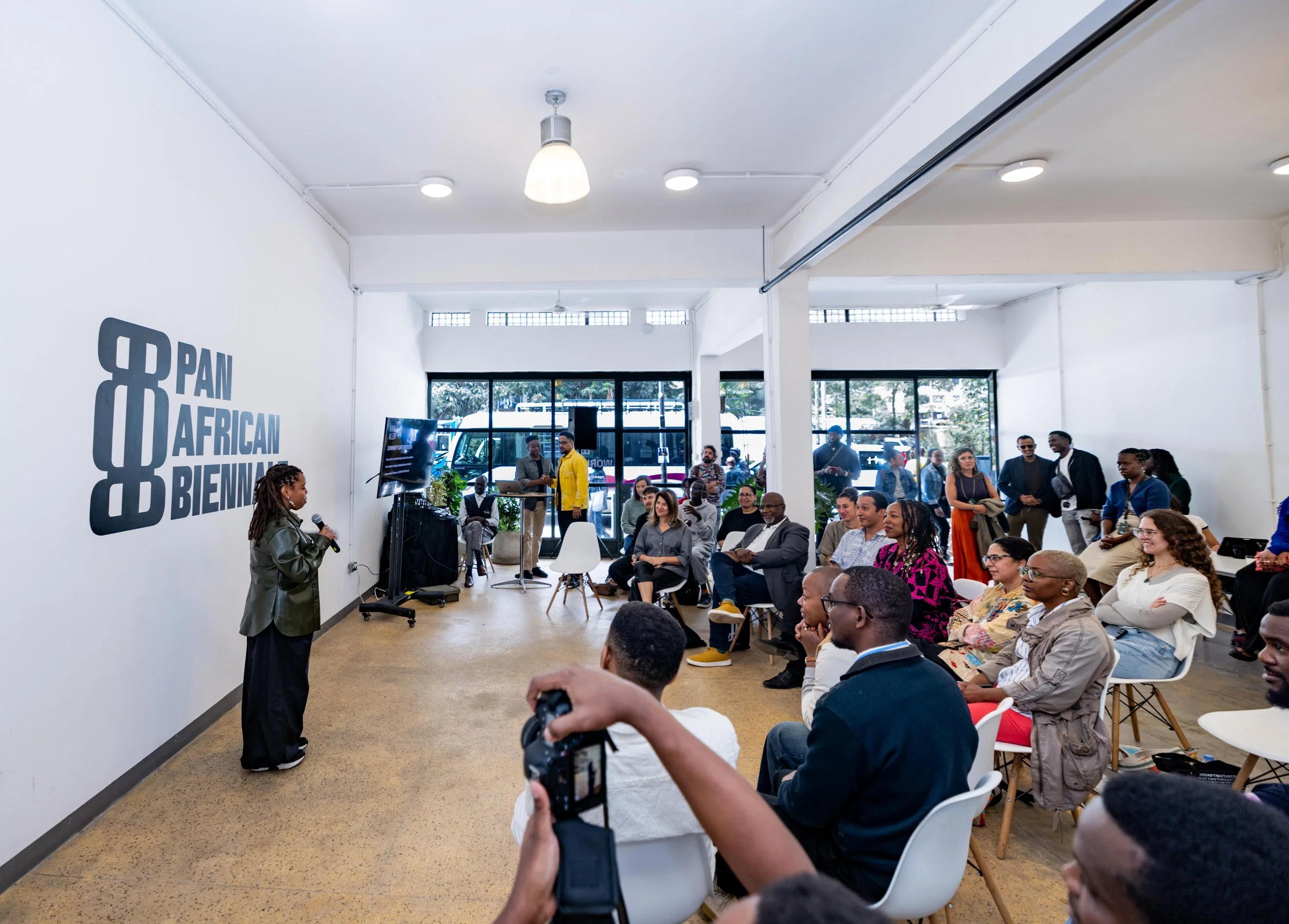
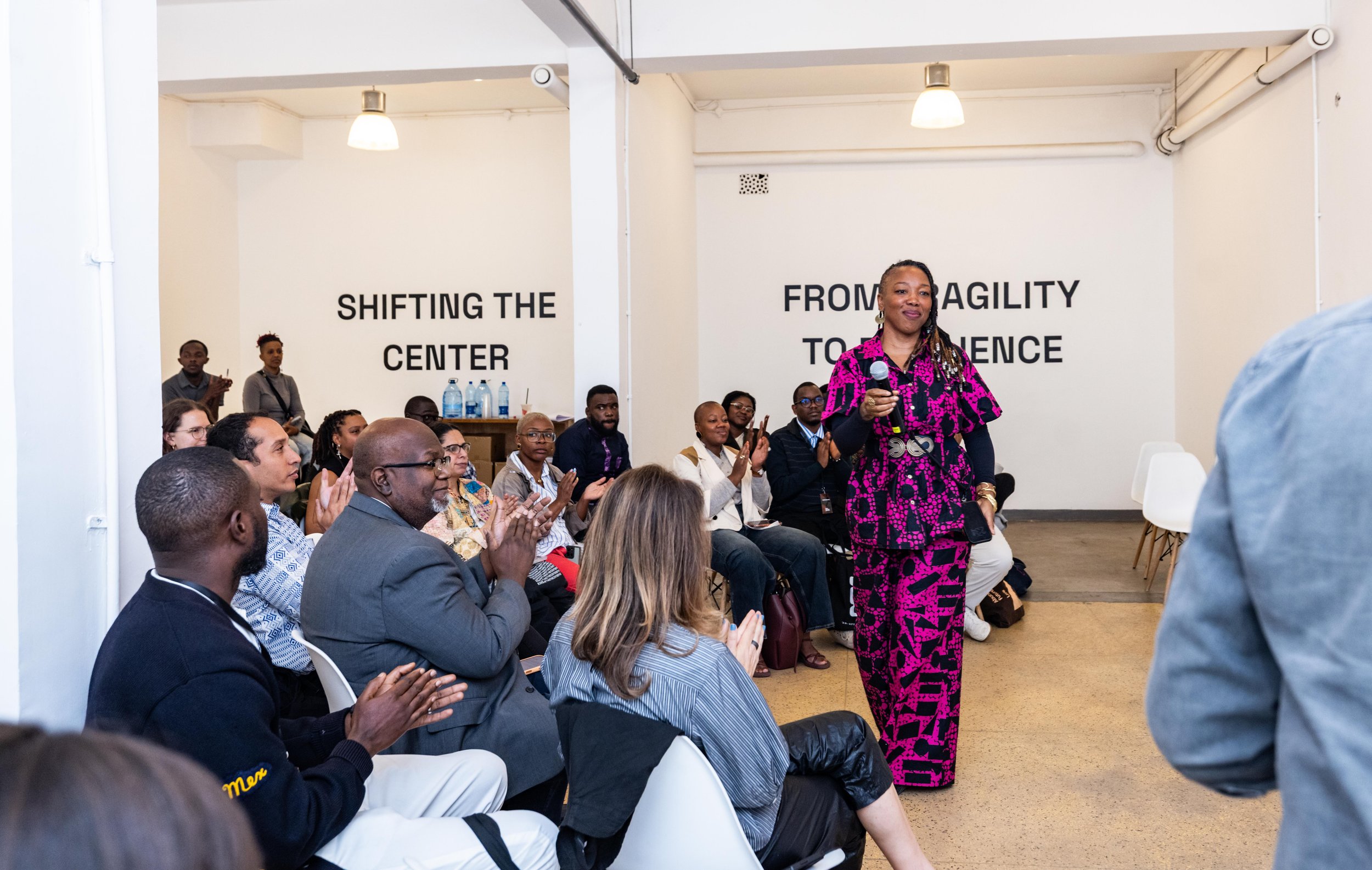
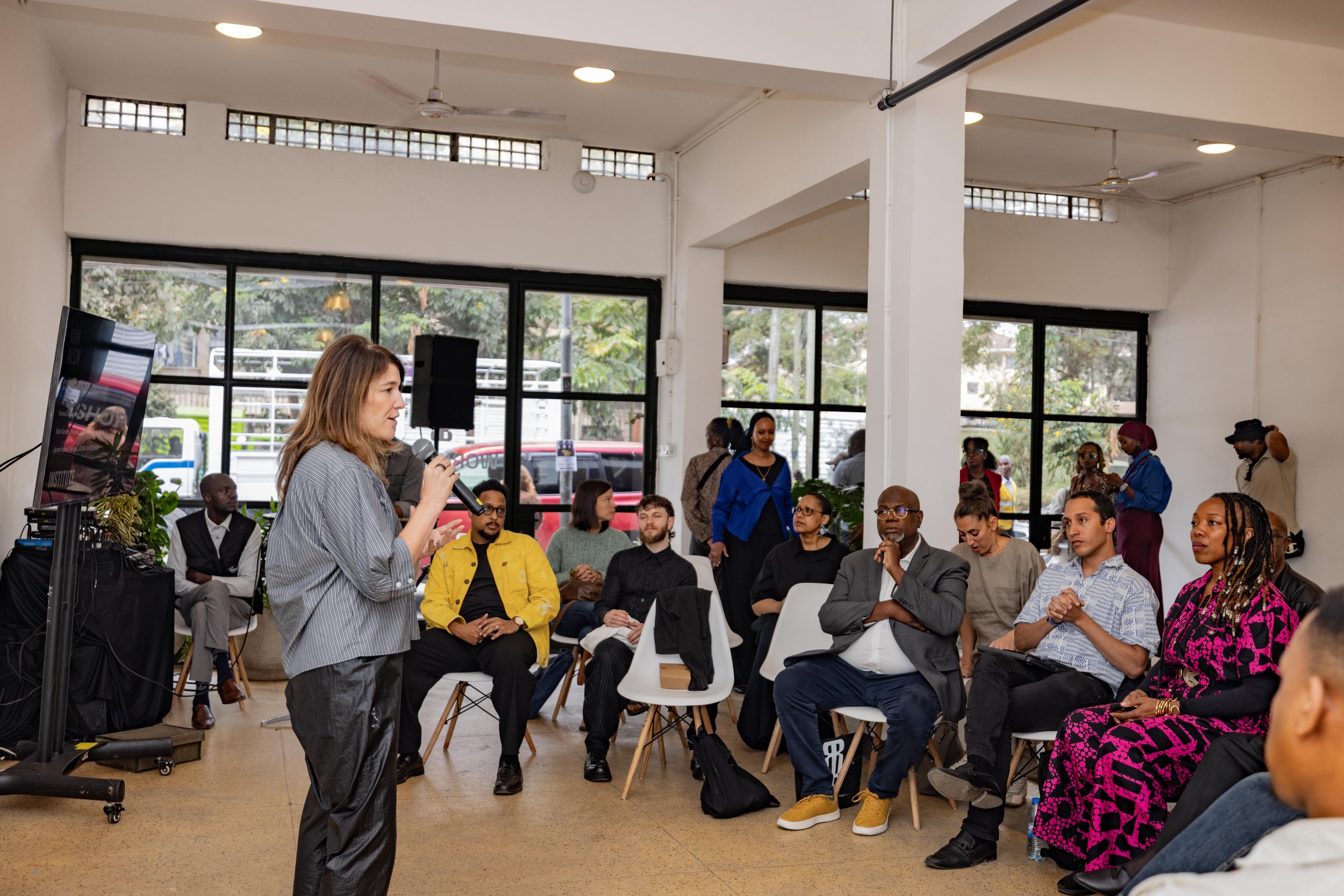
The announcement in Nairobi
10 September 2026 · Photos: Panzingo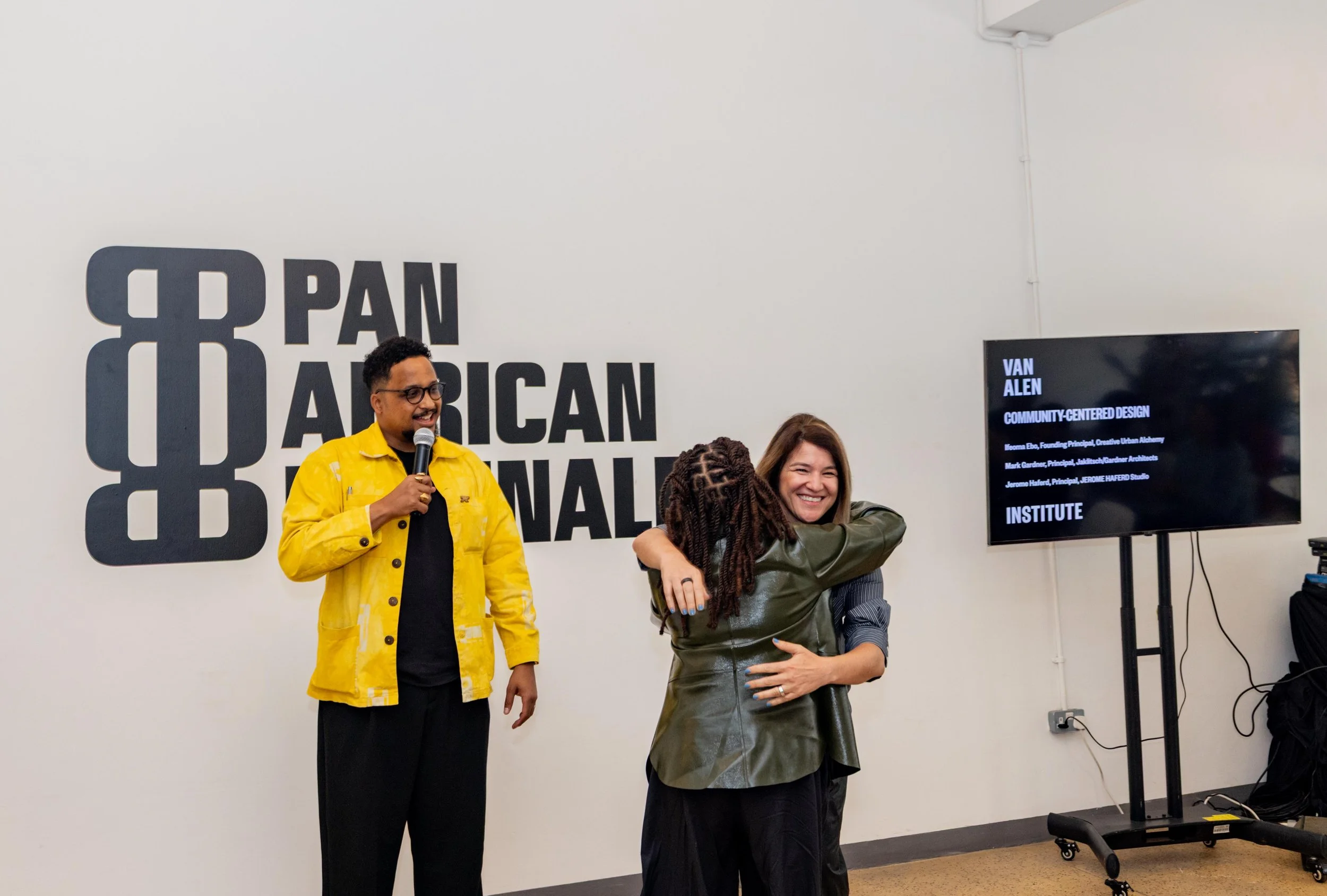
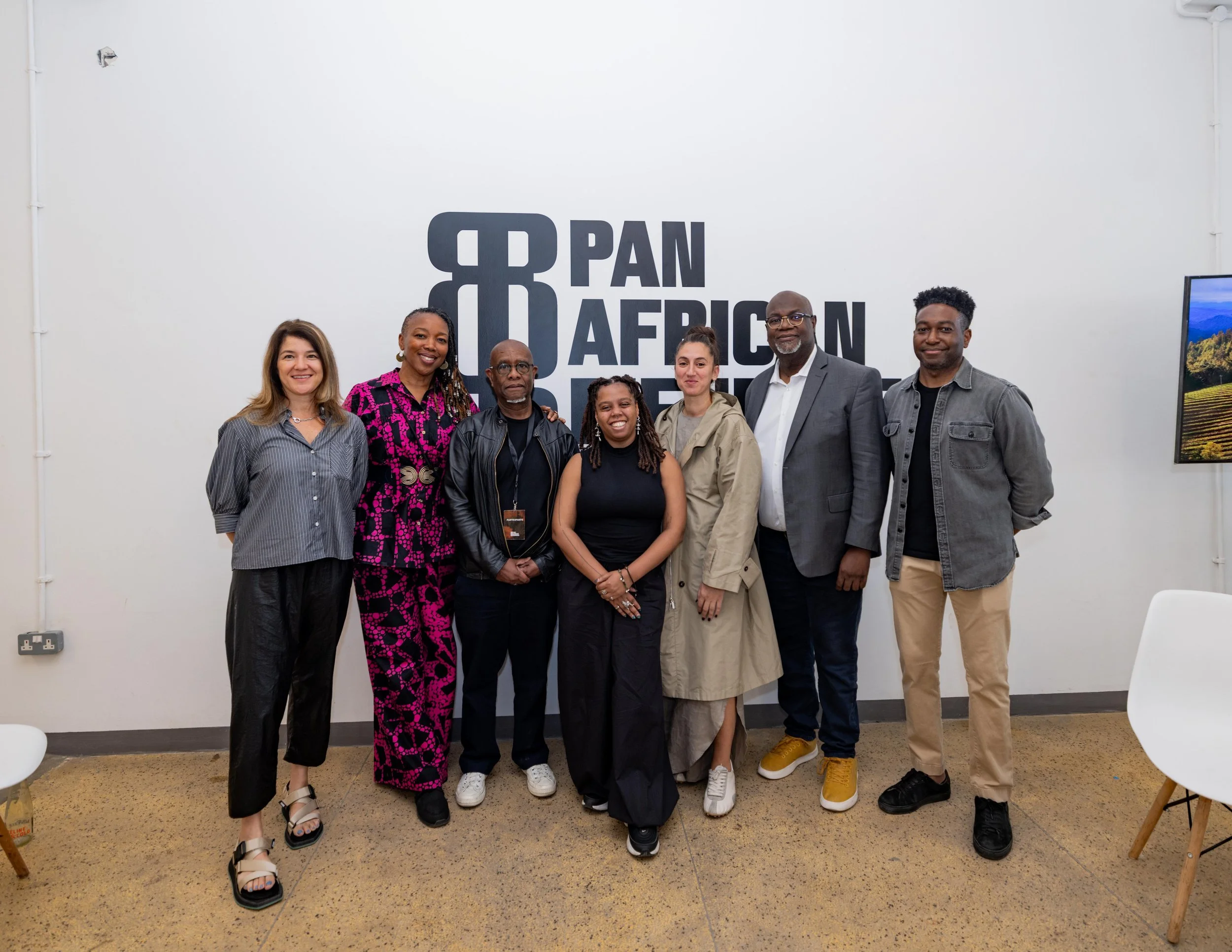
Jury

Van Alen Institute is a New York-based non-profit that grew out of the Society of Beaux-Arts Architects, founded in 1894. It is named after William Van Alen, architect of the Chrysler Building and winner of the 1908 Paris Prize.